
Why an evaporator coil freezes
During cooling, warm indoor air passes across a cold evaporator coil. Water vapor condenses on the coil and drains away. If the coil temperature drops below 32°F, that water begins to freeze.
Ice acts like insulation and blocks airflow, which drives the coil temperature even lower. A small initial problem can become a solid block of ice after hours of operation.
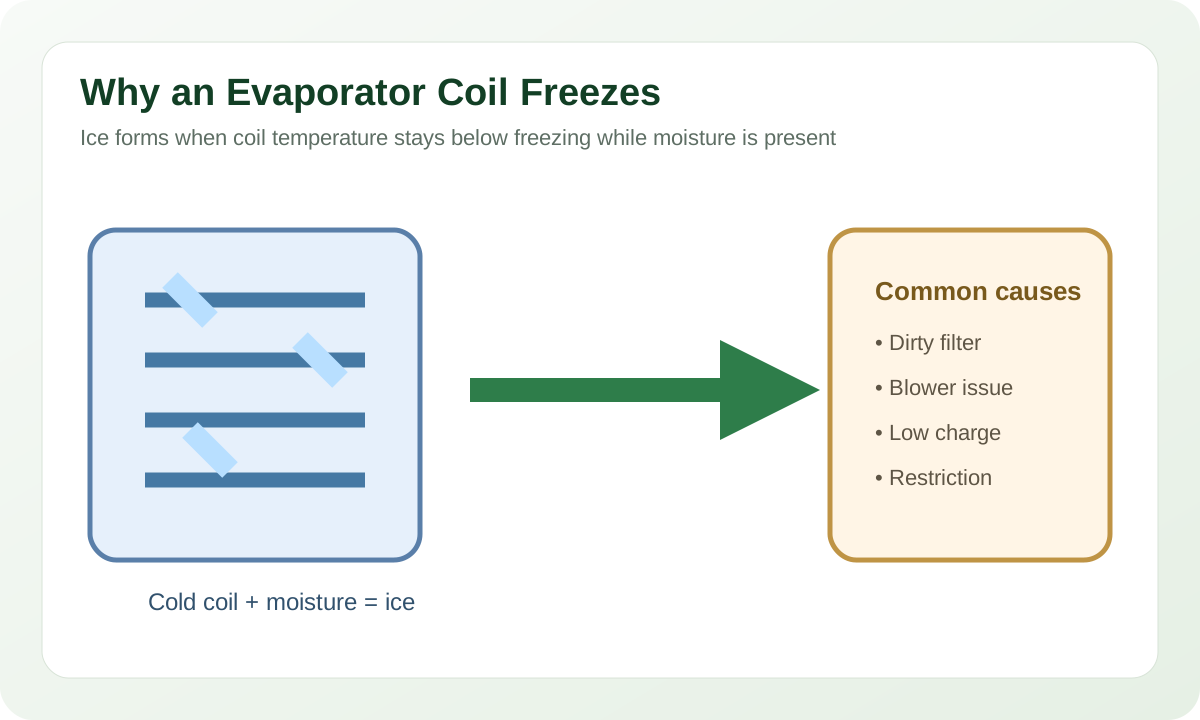
Airflow-related causes
Dirty filters, closed or blocked return grilles, dirty evaporator coils, collapsed ductwork, incorrect blower speed, a weak capacitor, a failing blower motor, or a heavily loaded filter can reduce the amount of heat reaching the coil.
An oversized filter with low resistance can be helpful, but installing a very restrictive filter in a system that lacks return capacity can create problems. Filter selection should match the equipment and duct design.
Refrigerant-related causes
Low refrigerant can reduce evaporator pressure and saturation temperature. A restricted TXV, piston, filter-drier, or distributor can starve part of the coil. Incorrect charge, load conditions, and control failures can also contribute.
Because airflow and refrigerant faults can create similar pressure readings, a technician should verify airflow before changing the refrigerant charge.
What to do safely before service
Turn cooling off. If the indoor blower can run normally, setting the fan to ON may speed thawing. Replace a visibly dirty filter and make sure return grilles are open.
Do not chip, scrape, or pry ice from the coil. The aluminum fins and refrigerant tubing are easily damaged. Protect the area from water as the ice melts.
How technicians diagnose the cause
The system must be fully thawed before reliable testing. The technician may inspect filters, blower wheel, motor operation, fan speed, static pressure, duct restrictions, coil cleanliness, condensate drainage, refrigerant pressures, superheat, subcooling, and controls.
If the coil freezes again after a filter change, the underlying cause still exists.
Can a frozen coil damage the system?
Continued operation can send liquid refrigerant back toward the compressor, reduce lubrication, overheat motors, damage the compressor, and create water damage when the ice melts.
A heavily iced heat pump or air conditioner should be shut down rather than forced to keep running.
How to reduce the chance of freezing
Replace filters on an appropriate schedule, keep return grilles clear, maintain the blower and coils, address refrigerant leaks, and have airflow and charge verified when symptoms appear.
Seasonal maintenance is useful because it can catch a dirty coil, weak blower capacitor, abnormal static pressure, or developing refrigerant issue before a freeze-up.
Frequently asked questions
How long does a frozen coil take to thaw?
Several hours is common, and heavy ice may take longer. The system should be fully thawed before testing.
Can I use a hair dryer?
Avoid concentrated heat or tools that can damage the coil. Natural thawing with the cooling off is safer.
Will a new filter fix it?
It may if the old filter was the only cause, but recurring ice requires diagnosis.
Why is there water around the furnace?
Melting ice can overwhelm or bypass the drain pan, or the drain may be blocked.
Can low outdoor temperature freeze the coil?
Running cooling in conditions below the equipment’s approved range can contribute to low coil temperature.
Not sure what is actually wrong?
Get measurements, not guesses
The same symptom can come from several different failures. Comfort Air Systems can test the equipment and explain the findings in plain language.